

Trauma shapes the way people think, feel, and connect with others. It can show up in unexpected ways, from difficulty trusting loved ones to chronic stress that never seems to fade. For many individuals and families in Oklahoma City, the effects of trauma run deep, and traditional approaches to care sometimes miss the root of the problem.
That is where trauma-informed therapy comes in. Rather than asking “What is wrong with you?” this approach asks “What happened to you?” It shifts the entire framework of care, whether in a counseling office, a school, or a healthcare setting. At Open Arms Initiative, we believe that trauma-informed care training in OKC is one of the most important investments a community can make, because understanding trauma is the first step toward genuine healing.
Whether you are seeking individual counseling in OKC, looking for family support services in Oklahoma City, or exploring professional development in trauma-responsive care, this guide explains what trauma-informed therapy actually looks like and why it matters so much in our community.
Understanding Trauma-Informed Care Training in OKC
Trauma-informed care is not a single technique or therapy model. It is a philosophy that influences how every interaction happens, from the front desk to the therapist’s office. The core idea is simple: recognize that trauma is widespread, understand its effects on behavior and health, and respond in ways that promote safety and trust.
Trauma-informed care training in OKC equips professionals across many fields with the knowledge and skills to put this philosophy into practice. Counselors, social workers, educators, healthcare providers, and first responders all benefit from learning how to identify trauma responses and avoid re-traumatization.
The Substance Abuse and Mental Health Services Administration (SAMHSA) outlines four key assumptions of trauma-informed care: realization, recognition, response, and resisting re-traumatization. These principles guide every aspect of service delivery, from intake forms to follow-up appointments.
Who Benefits from Trauma-Informed Training?
The short answer is everyone. But certain professionals see especially powerful results:
- Therapists and counselors who work with individuals processing adverse childhood experiences
- School staff seeking trauma-informed schools professional development in Oklahoma City
- Social workers building culturally responsive, trauma-informed practices
- First responders who encounter people in crisis daily
- Healthcare providers who want to understand how trauma affects physical health
Organizations that invest in evidence-based trauma training in Oklahoma often see improvements in client outcomes, staff retention, and overall workplace culture.
How Trauma-Informed Therapy Differs from Traditional Counseling
Traditional therapy sometimes focuses heavily on symptoms. A person might receive a diagnosis, learn coping skills, and work through surface-level patterns. That approach can be helpful, but it does not always address the underlying experiences driving those patterns.
Trauma-informed therapy goes deeper. It recognizes that behaviors like avoidance, hypervigilance, emotional numbness, and difficulty with relationships often trace back to traumatic experiences. Instead of labeling someone as “difficult” or “resistant,” a trauma-informed therapist understands that these responses once served as survival strategies.
This shift in perspective changes everything. Clients feel safer. They open up more honestly. And they begin to heal in ways that stick, because the work addresses what actually happened rather than just managing its symptoms.
The Role of Safety and Trust
Safety is the foundation of trauma-informed therapy. Before any meaningful progress can happen, a person needs to feel physically and emotionally safe in the therapeutic relationship.
This means therapists are transparent about what to expect. They give clients choices and control over the pace of their sessions. They avoid surprises. They create environments that feel calm and predictable.
Trust builds slowly, especially for people whose trust has been broken by the very people who were supposed to protect them. A trauma-informed counselor in Oklahoma City understands this and does not rush the process.
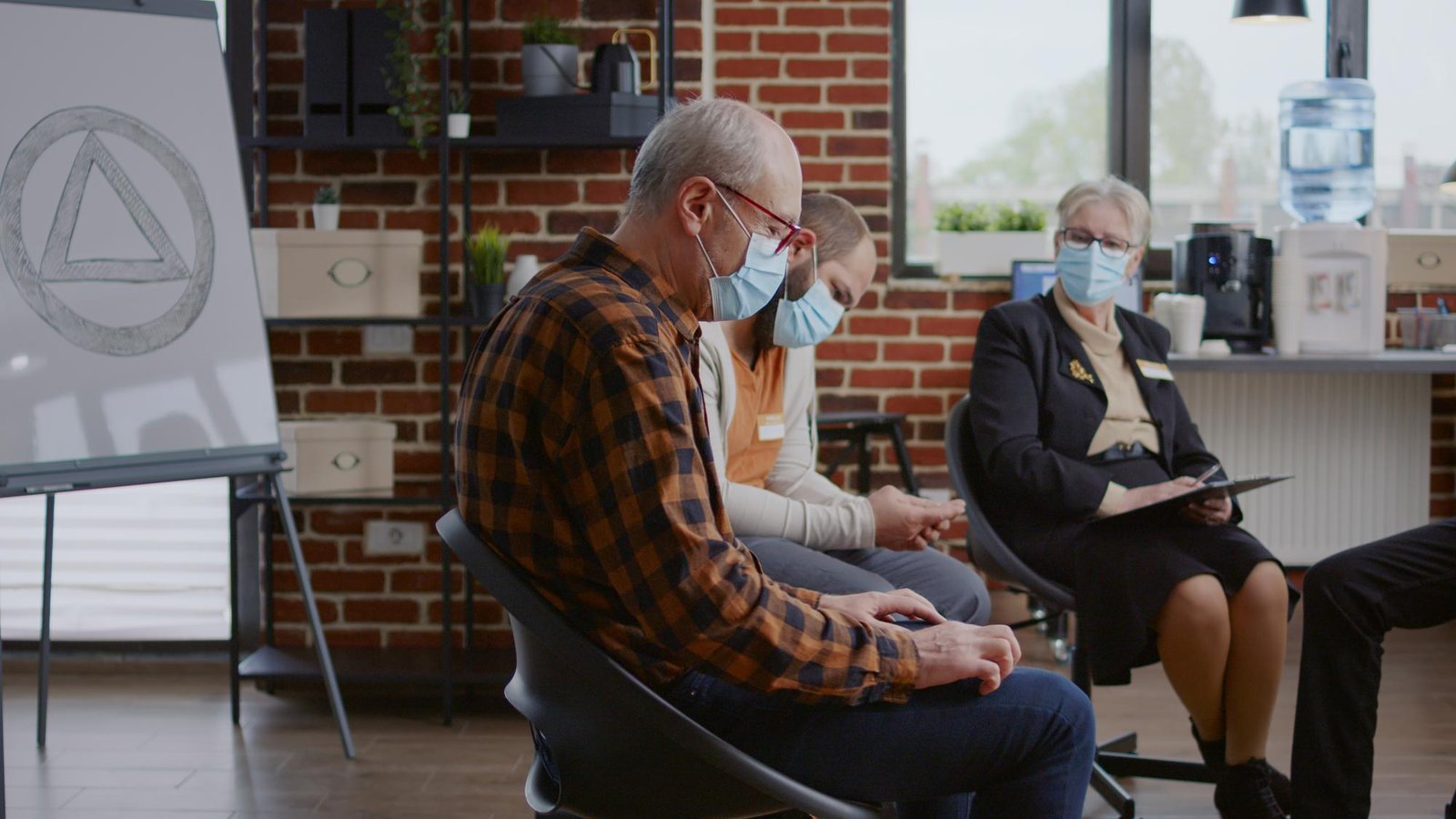
Trauma-Informed Care and Family Support Services in Oklahoma City
Trauma rarely affects just one person. When a family member carries unresolved trauma, it ripples through every relationship in the household. Children absorb parental stress. Partners feel shut out. Communication breaks down.
Family support services in Oklahoma City that use a trauma-informed approach can address these dynamics at the root. Instead of simply teaching better communication techniques, counseling for family issues in Oklahoma City explores how each person’s history shapes the way they respond to conflict, intimacy, and stress.
At Open Arms Initiative, our approach to family work is built on this understanding. We help families see that hurtful patterns are not signs of failure. They are signals that something deeper needs attention.
Adverse Childhood Experiences and Their Long-Term Impact
Research on adverse childhood experiences, commonly called ACEs, has shown a direct link between childhood trauma and long-term health, mental health, and social outcomes. ACEs include abuse, neglect, household dysfunction, and exposure to violence.
ACEs training in Oklahoma City helps professionals and families understand these connections. A child who grows up in an unpredictable environment may develop anxiety, difficulty concentrating, or behavioral challenges that follow them into adulthood.
Recognizing the role of ACEs is not about assigning blame. It is about creating pathways for healing, and those pathways work best when informed by an understanding of what a person has lived through.
Trauma-Informed Approaches Beyond the Counseling Office
One of the most powerful aspects of trauma-informed care is that it extends far beyond therapy sessions. Schools, workplaces, healthcare clinics, and community organizations can all adopt trauma-informed practices.
Trauma awareness workshops in Oklahoma City give teams the tools to recognize trauma responses in the people they serve and in each other. Organizational trauma-informed change in OKC means rethinking policies, procedures, and even physical environments to reduce potential triggers and promote a sense of safety.
For example, a school that adopts trauma-informed practices might replace punitive discipline with restorative approaches. A medical office might redesign its intake process to give patients more control. These changes may seem small, but their cumulative impact is enormous.
Professional Development and Certification Options
If you are a professional looking to deepen your skills, several options exist in the Oklahoma City area:
- Trauma-informed care workshops in Oklahoma designed for multi-disciplinary teams
- Trauma-informed therapy continuing education in OKC for licensed counselors
- Train the trainer programs for organizations wanting to build internal capacity
- Online trauma-informed care courses for those who need flexible scheduling
- Culturally responsive trauma-informed training in OKC that addresses the specific needs of diverse communities
Open Arms Initiative offers trauma-informed care training in OKC that is practical, evidence-based, and designed for real-world application. Our goal is to help professionals move from awareness to action.
What to Expect from Individual Counseling in OKC with a Trauma-Informed Approach
If you are considering individual counseling in OKC and want a trauma-informed therapist, here is what the experience typically looks like.
Your first session will focus on building rapport. Your counselor will want to understand your story at your pace, not theirs. You will not be pushed to share anything before you feel ready.
Over time, therapy may involve processing specific traumatic memories, building new coping strategies, and developing a stronger sense of self. Evidence-based methods like EMDR, somatic experiencing, and cognitive processing therapy are commonly used within a trauma-informed framework.
The goal is not just to reduce symptoms. It is to help you feel like yourself again, or maybe for the first time.
Trauma-informed therapy is more than a clinical trend. It is a fundamental shift in how we understand human behavior and suffering. For individuals, families, and entire organizations in Oklahoma City, adopting this approach leads to deeper healing, stronger relationships, and more compassionate communities.
Open Arms Initiative is committed to providing trauma-informed care training in OKC and therapeutic services that meet people where they are. Whether you need individual counseling, family support, or professional development for your team, we are here to help.
If you are ready to take the next step toward healing or building a more trauma-responsive organization, reach out to Open Arms Initiative today. Understanding what happened is where lasting change begins.
Frequently Asked Questions
What is trauma-informed care?
Trauma-informed care is an approach that recognizes the widespread impact of trauma and integrates that understanding into every aspect of service delivery to promote safety and healing.
Who should attend trauma-informed care training in OKC?
Counselors, social workers, educators, healthcare providers, and first responders all benefit from trauma-informed care training in Oklahoma City.
How does trauma-informed therapy help families?
Trauma-informed family therapy helps each member understand how their personal history shapes the way they respond to conflict and stress within the household.
What are adverse childhood experiences (ACEs)?
ACEs are potentially traumatic events that occur in childhood, such as abuse, neglect, or household dysfunction, and are linked to long-term health and mental health challenges.
Does Open Arms Initiative offer trauma-informed training in Oklahoma City?
Yes, Open Arms Initiative provides evidence-based trauma-informed care training in OKC for professionals across counseling, education, healthcare, and social services.

