
Have you ever reacted strongly to something your child did and later wondered, "Why did I get so upset over that?"
Maybe your child forgot their homework. Your teenager talked back. Or your toddler had a meltdown in public, leaving you frustrated and overwhelmed.
Sometimes, our reactions feel much bigger than the situation itself.
In a thought-provoking YouTube video exploring parenting, emotional triggers, and generational healing, a powerful message emerges:
The Core Message
Our children may not be creating our emotional wounds. Sometimes, their behavior brings unresolved wounds to the surface.
This perspective encourages parents to look beyond their children's behavior and examine the experiences, beliefs, and emotional patterns influencing their responses.
At Open Arms Initiative, understanding these connections is part of creating healthier families through trauma-informed care, emotional awareness, and compassionate support.
Why Do Our Children Trigger Our Unhealed Wounds?
Parenting is deeply emotional. While children bring joy, connection, and purpose, they can also unintentionally activate difficult feelings rooted in our past.
In counseling, these experiences are commonly called emotional triggers.
An emotional trigger occurs when a situation activates a strong emotional response connected to an earlier experience, fear, memory, or belief.
For example, if you grew up in a home where mistakes were constantly criticized, your child's academic struggles might create unexpected anxiety.
If affection depended on achievement, you might unconsciously connect your child's success with your worth as a parent.
If expressing emotions was discouraged during childhood, your child's sadness, frustration, or anxiety might feel overwhelming.
These reactions don't automatically mean someone has experienced trauma. However, repeated emotional patterns can offer important clues about unresolved experiences.
Recognizing these connections allows parents to respond with greater understanding rather than automatically repeating familiar behaviors.
Understanding Generational Trauma and Family Patterns
Generational trauma describes how the effects of trauma and prolonged stress can influence families across generations.
Many parents and grandparents experienced challenges shaped by financial hardship, immigration, cultural expectations, family responsibilities, or emotional adversity.
They may have developed survival strategies that helped them navigate difficult circumstances.
Unfortunately, some of those strategies can become unhealthy parenting patterns.
A parent raised with harsh discipline may believe fear creates respect. Someone who experienced emotional neglect may struggle to express affection.
These behaviors are not necessarily intentional. Often, people repeat what they experienced because it is familiar.
Where It Begins
Breaking generational trauma begins with recognizing that what was normal in our childhood may not always be emotionally healthy for our children.
Awareness creates opportunities to replace inherited patterns with healthier ways of communicating, responding, and building relationships.
The Hidden Beliefs Behind Parenting Triggers
Our childhood experiences influence how we perceive ourselves and the world.
Sometimes, the strongest parenting reactions are connected to deeply rooted beliefs such as:
These beliefs can influence how we respond to disobedience, emotional struggles, academic challenges, and everyday mistakes.
For instance, a parent who associates achievement with acceptance may feel personally threatened when their child receives poor grades.
Recognizing these beliefs helps parents understand that their children's struggles do not determine their value or success as caregivers.
Children need guidance and accountability, but they also need to know their worth is not dependent on perfect behavior or performance.
What Faith Teaches Us About Healing and Transformation
The original video's message also explores the relationship between emotional healing and Christian faith.
Scripture Reflection
Romans 12:2 reminds believers to be transformed through the renewing of their minds.
This biblical principle connects with the importance of examining the thoughts, expectations, and beliefs influencing our actions.
Transformation involves becoming aware of patterns that no longer serve our emotional or spiritual well-being.
For Christian parents, this means remembering that identity and worth are not determined by perfection, achievement, or control.
“
Our value is rooted in Christ.
Instead of parenting from fear, we can work toward responding with patience. Instead of allowing shame to shape our relationships, we can practice compassion and forgiveness.
Faith and professional counseling can work alongside one another, offering spiritual encouragement and practical tools for emotional growth.
Healing becomes an intentional process of changing what we carry and what we pass forward.
Watch the Video: Why Your Child's Behavior May Trigger Your Past
Understanding emotional triggers is often easier when we hear real-life examples and thoughtful explanations.
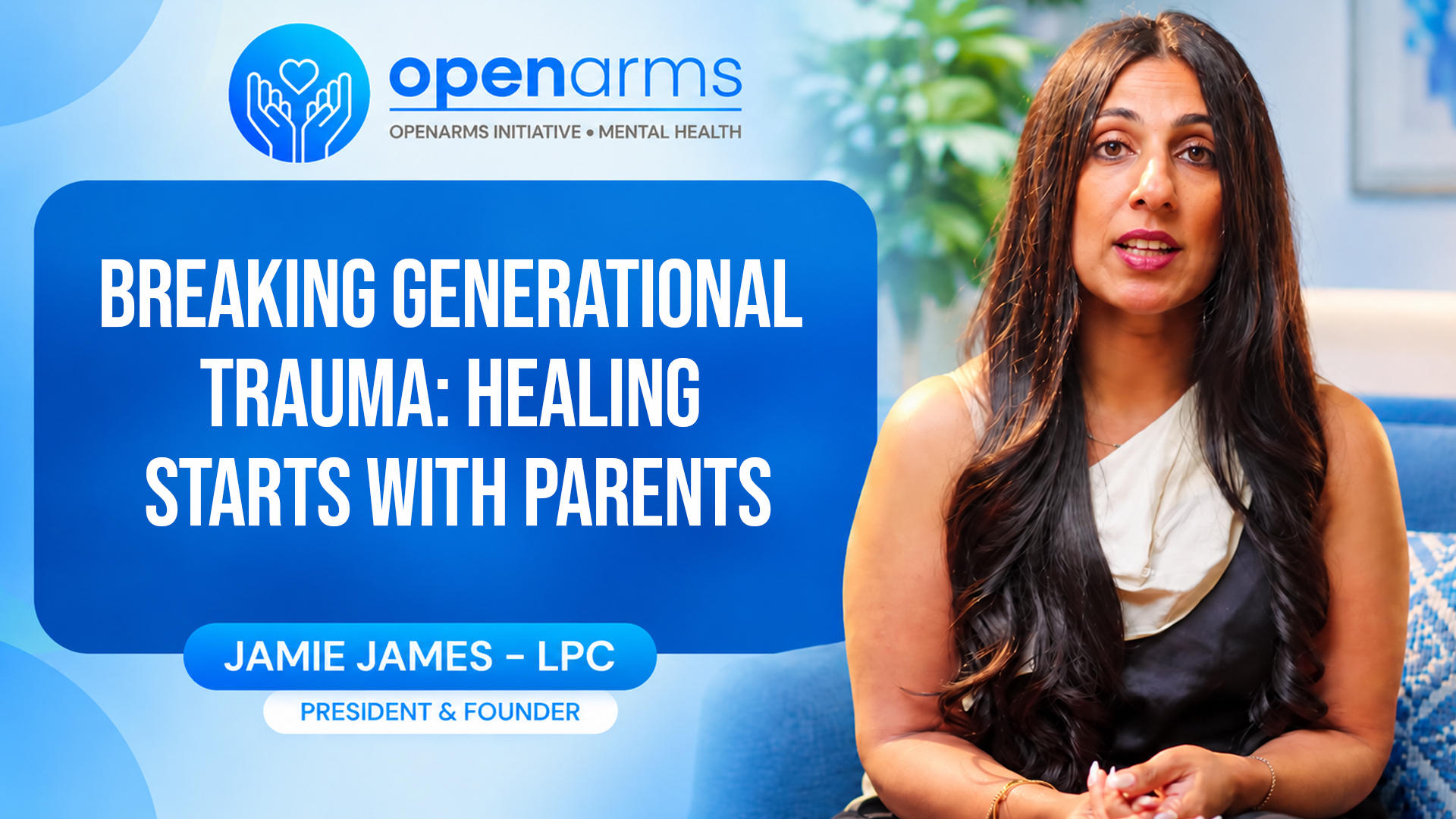
In the YouTube video that inspired this article, the speaker explores why ordinary parenting situations can activate deeper emotional wounds and how faith, self-reflection, and healing can help interrupt generational patterns.
The central message is especially meaningful:
“
Healing isn't only about changing how we respond today. It's also about changing the emotional patterns our children may inherit tomorrow.
The video encourages parents to examine their reactions with curiosity rather than shame and recognize the possibility of transformation.
Watch the full YouTube video below to explore the connection between childhood wounds, parenting triggers, and generational healing.
Watch the full YouTube video
Prefer a bigger screen? Open it directly on YouTube.
Five Ways Parents Can Begin Breaking Generational Patterns
Healing doesn't happen overnight. It develops through awareness, intentional choices, and consistent practice.
- 1 Identify Your Emotional TriggersNotice situations that cause unusually intense emotional reactions. Ask yourself, "Why does this behavior affect me so strongly?" Understanding the underlying emotion is the first step toward changing your response.
- 3 Challenge Unhealthy BeliefsExamine the messages you learned during childhood. Replace perfectionism, fear, and performance-based expectations with beliefs that encourage growth, compassion, and emotional security.
- 5 Seek Professional SupportSome emotional wounds require additional guidance. Trauma-informed counseling can help parents process difficult experiences, improve emotional regulation, and develop healthier relationship patterns.
Why Healing Parents Can Create Safer Homes
Children learn emotional habits by observing the adults around them.
They notice how parents handle frustration, communicate during conflict, apologize after mistakes, and demonstrate affection.
When parents begin addressing unresolved wounds, they create opportunities to model healthier behaviors.
Fear can be replaced with understanding. Shame can give way to compassion. Emotional distance can gradually become connection.
This doesn't mean healed parents never experience frustration or make mistakes.
Rather, emotionally aware parents can recognize when they have responded poorly, take responsibility, and repair the relationship.
These everyday experiences help children develop trust, emotional awareness, and a stronger sense of security.
“
The goal isn't simply to raise obedient children. It's to nurture children who understand that they are loved, valued, and worthy of respect, even when they struggle.
Begin Your Healing Journey With Open Arms Initiative
Sometimes, one of the most meaningful gifts parents can offer their children is a commitment to their own emotional healing.
At Open Arms Initiative, we recognize the importance of addressing trauma, strengthening family relationships, and helping individuals develop healthier emotional patterns.
Our trauma-informed counseling and family support services help individuals and families navigate emotional challenges with compassion and professional guidance.
Whether you're struggling with parenting triggers, unresolved childhood experiences, or difficult family dynamics, seeking support can be a meaningful step toward lasting change.
Remember
You don't have to become a perfect parent. You can become a more aware, connected, and emotionally responsive one.
Your family's past may influence your story, but it doesn't have to determine your children's future. Healing can begin with you.
Learn more about our services at Open Arms Initiative or contact us at (405) 920-8934.
Healing can begin with you
Your family's past may influence your story, but it doesn't have to determine your children's future. Open Arms Initiative offers trauma-informed counseling and family support to help you take that first step.
Leave a Comment