

Grief does not follow a calendar. It doesn’t move in a straight line or follow predictable stages. For many people in Oklahoma City, grief shows up quietly at first—through heaviness, confusion, or a sense that something familiar has shifted forever. For others, it arrives intensely, disrupting routines, relationships, and emotional stability. Whether the loss was recent or occurred years ago, the moment may come when someone begins wondering whether grief counseling Oklahoma City could help them move forward.
At Open Arms Initiative, we see firsthand how powerful compassionate support can be for individuals and families navigating bereavement. While grief is a natural human experience, no one should feel they have to do it alone. Sometimes, the simplest acknowledgment—that healing takes time and space becomes the turning point that leads someone to seek counseling for loss.
But how do you know when you’re ready to talk to a therapist or join a supportive grief community? Here are five meaningful signs.
It’s normal for loss to disrupt sleep, appetite, energy, or focus especially in the early weeks and months. But when those disruptions linger and start affecting work, relationships, or daily responsibilities, it may be time to consider bereavement therapy OKC.
You might notice:
These shifts aren’t signs of weakness. They are signs that your mind and body are carrying more than they can manage alone. Grief counseling can provide a space to process these emotions and regain a sense of stability.
Some people talk openly about their loss but feel misunderstood by friends or family. Others avoid the topic entirely because the pain feels too big or because they don’t want to burden others.
You may be ready for counseling if you find yourself:
Grief counseling provides a safe, judgment-free environment where emotions can be explored gently and at your own pace.
One of the most common signs someone could benefit from grief counseling in Oklahoma City is a lingering feeling of being “stuck.” You may be functioning on the surface going to work, caring for family, keeping routines but emotionally, you feel frozen in the moment of loss.
Clients often describe the experience as:
Feeling stuck doesn’t mean you’re failing at grief. It simply means you may need structured support to navigate what comes next.
Grief affects relationships differently. You may feel frustrated with people who try to comfort you, disconnected from loved ones who “don’t get it,” or misunderstood by others who expect you to heal faster.
Signs grief is impacting your relationships:
Counseling helps you understand these emotional patterns and gives you tools to maintain connection while honoring your grief.
Another sign you may benefit from counseling for loss is the desire to find meaning after loss. You may feel unsure how to honor your loved one without feeling overwhelmed or guilty.
Counseling can help you explore:
Families often share that learning to honor a loved one without drowning in sorrow becomes a transformative part of their healing.
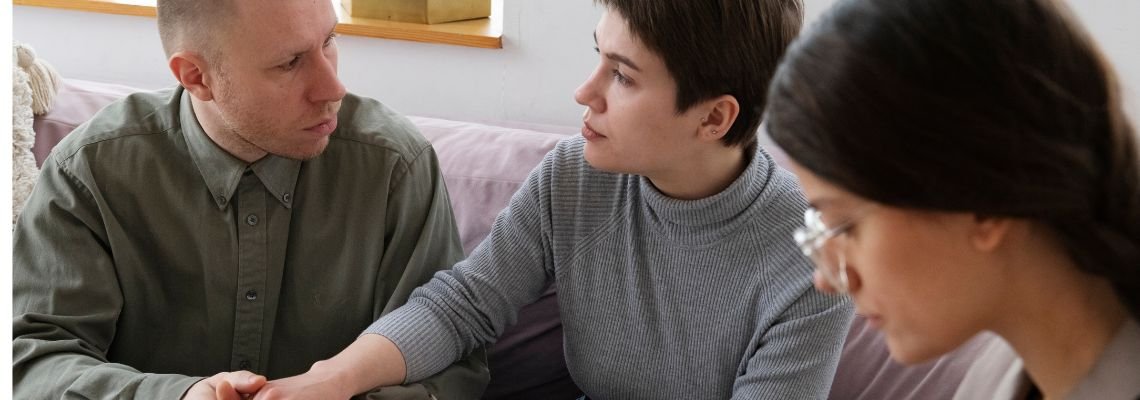
Grief counseling is not about “getting over it.” It’s about learning to live with the loss while restoring emotional balance, confidence, and connection.
Common benefits include:
Counseling offers a protected space where your feelings are valid—anger, sadness, confusion, guilt, relief, or anything in between.
Anniversaries, holidays, and reminders can feel overwhelming. Counseling helps you prepare for and navigate these moments.
People grieve differently. Some process through talking; others through reflection, writing, or movement. Counseling helps you understand your own style.
Instead of feeling like grief controls your life, counseling helps you regain agency and direction.
Grief can be isolating, but support whether individual counseling or community programs like those provided by Open Arms Initiative—reminds you that healing can happen alongside others.
There is no perfect timeline for grief. Some individuals reach out for support within weeks of a loss; others need months or years before they feel ready. The most important sign is your internal sense that you would benefit from talking to someone who understands grief from both a professional and compassionate perspective.
At Open Arms Initiative, our mission is to walk with individuals and families through difficult moments with care, education, and community support. While we are not a clinical therapy provider, we help people connect with bereavement therapy OKC, support groups, counseling resources, and healing programs that meet their emotional needs.
If you feel overwhelmed, stuck, isolated, or unsure how to cope after a loss, counseling can provide clarity and emotional relief.
Not at all. Grief has no expiration date. Many people seek support long after the initial loss.
Grief counseling can be adapted to your comfort level. You don’t need to share everything at once.
Absolutely not. It means you’re seeking support to heal in a healthy way.
Yes. We guide individuals toward professional counseling, support groups, and community-based programs tailored to their needs.
Grief changes you, but it doesn’t have to define you. When you’re ready, grief counseling Oklahoma City can help you process the pain, rebuild your sense of self, and find ways to honor your loved one while still moving forward.
Whether you’re seeking bereavement therapy OKC, community support, or guidance for navigating life after loss, Open Arms Initiative is here to walk beside you. Healing is not about forgetting, it’s about remembering with compassion, rebuilding with hope, and allowing yourself the time and support you deserve.
© Openarms Initiative 2025 | Developed by Echo5 Digital.