

At a Glance
Chronic stress puts your brain on high alert, so it treats minor inconveniences like real threats and amplifies small problems until they feel overwhelming.
The Science Behind Why Small Problems Feel Overwhelming
- 1 Your brain has a built-in alarm system called the amygdala. Its job is to detect threats and trigger your fight-or-flight response. Under normal circumstances, it can tell the difference between a real danger and a minor inconvenience.
- 2 But chronic stress changes the equation. When your stress hormones, especially cortisol, remain elevated for extended periods, your amygdala becomes hyperactive. It starts firing alarm signals even for things that don't warrant a strong reaction. A misplaced phone charger suddenly triggers the same emotional intensity as a serious crisis.
- 3 This is what researchers call a disproportionate stress response. Your nervous system is already running on high alert, so any additional input, no matter how small, pushes you past your threshold. It's not that the problem is big. It's that your capacity to absorb it has shrunk.
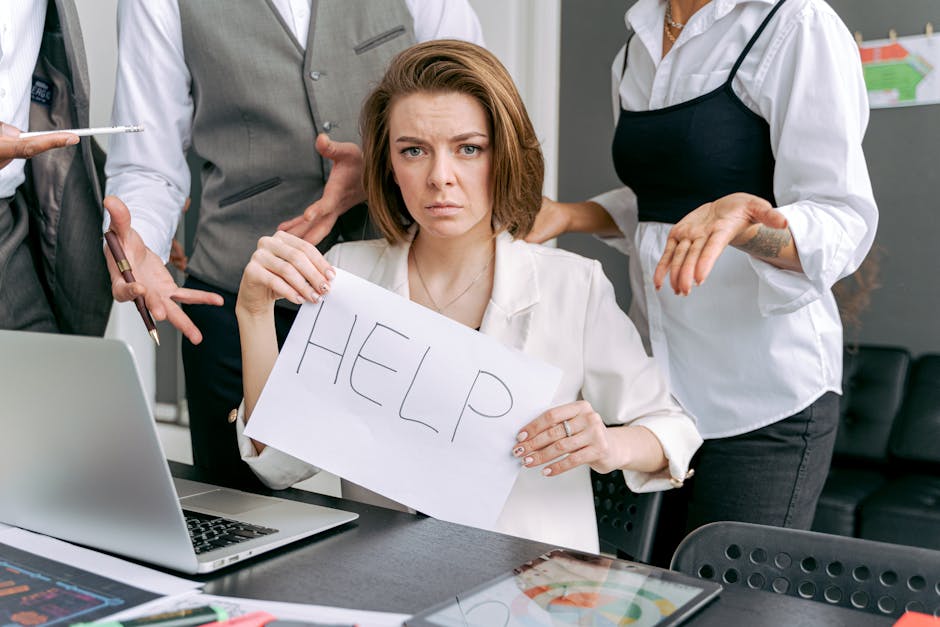
Why Trivial Things Stress You Out More Than They Should
There's a concept in psychology often described as "making mountains out of molehills." While it sounds dismissive, the experience behind it is very real. When emotional stress and overwhelm accumulate, your brain begins catastrophizing small issues because it has lost the bandwidth to evaluate them accurately. Think of your mental capacity like a glass of water. When life is calm, there's room for small splashes. But when the glass is already full from work pressure, relationship tension, health worries, or financial strain, even a single drop causes overflow. This is why you might snap at a partner over something trivial or feel paralyzed by a simple decision at the grocery store. Your brain isn't broken. It's overloaded. The team at Open Arms Initiative sees this pattern regularly, and it's one of the most common reasons people seek support.
How Stress Affects Emotional Reactions at a Deeper Level
- 1 Stress doesn't just change how you feel in the moment. It actually reshapes how your brain processes emotions over time. Prolonged stress weakens the connection between your prefrontal cortex (the rational, decision-making part of your brain) and your emotional centers.
- 2 Reduced Frustration Tolerance: Under chronic stress, your tolerance for even minor setbacks drops significantly. Tasks that once felt manageable, like dealing with a slow internet connection or a long line at the pharmacy, can suddenly feel unmanageable. This low stress tolerance for minor issues isn't about being impatient. It's a neurological consequence of sustained emotional pressure.
- 3 Emotional Flooding: When stress accumulates, your emotional system can become flooded. This means that instead of experiencing one emotion at a time, you feel everything at once: frustration, sadness, anxiety, and helplessness all crashing in together over something as simple as a spilled cup of coffee. This is emotional overwhelm from minor problems in its clearest form.
- 4 Negativity Bias Amplification: Your brain naturally pays more attention to negative information than positive. Stress amplifies this bias dramatically. So while ten things might go right during your day, the one small thing that goes wrong consumes your attention entirely. You end up magnifying small setbacks while overlooking genuine wins.
Common Situations Where Small Stressors Feel Unmanageable
- 1 Feeling overwhelmed by small things shows up differently for everyone. But certain patterns are remarkably common among the people Open Arms Initiative supports.
- 2 Everyday Household Tasks: A pile of dishes or an unfolded basket of laundry can feel like an insurmountable obstacle when you're already stretched thin. The task itself takes ten minutes, but the emotional weight attached to it makes it feel like hours.
- 3 Minor Social Interactions: A coworker's offhand comment or an unreturned text message can spiral into hours of overthinking. Anxiety about minor things in social contexts often intensifies when your emotional reserves are depleted.
- 4 Small Schedule Changes: A meeting moved by thirty minutes or an unexpected errand can derail your entire sense of stability. When stress is high, your brain craves predictability, and even small disruptions feel threatening.
- 5 Decision-Making Fatigue: Choosing what to eat for dinner or which bill to pay first can feel paralyzing. This isn't laziness or indecision. It's your overtaxed brain struggling to allocate resources to yet another demand, no matter how small.
Ways to Manage Stress and Emotional Overwhelm
- 1 The good news is that this pattern can be interrupted. You don't have to stay stuck in a cycle where every small problem feels like a catastrophe. Here are practical, evidence-based strategies that Open Arms Initiative recommends for coping with small life problems before they snowball.
- 2 Name the Pattern Out Loud: When you notice yourself spiraling over something minor, try saying it plainly: "I'm reacting this strongly because I'm already overwhelmed, not because this problem is actually that big." This simple act of labeling activates your prefrontal cortex and helps pull your brain out of reactive mode. Gaining perspective on manageable problems starts with recognizing when your stress is distorting them.
- 3 Lower Your Baseline Stress Level: If your glass is always full, even small drops will cause overflow. Focus on reducing your baseline stress through consistent sleep, regular movement, proper nutrition, and meaningful social connection. These aren't luxuries. They're maintenance for your nervous system.
- 4 Practice the 10-10-10 Rule: When a small problem triggers a strong reaction, ask yourself: Will this matter in 10 minutes? In 10 months? In 10 years? This quick mental exercise can help you calibrate your response and prevent catastrophizing small issues before they consume your energy.
- 5 Seek Professional Support: If you consistently feel overwhelmed by everyday problems and it's affecting your daily functioning, that's a signal worth paying attention to. Mental health and minor stress are deeply connected, and professional guidance can help you rebuild your emotional resilience. Open Arms Initiative offers compassionate, personalized support for individuals navigating these exact challenges.
Why Overreacting to Small Things Doesn't Make You Weak
- 1 One of the most harmful myths about emotional overwhelm is that it reflects weakness or a lack of willpower. The reality is quite different. If you've been asking yourself "why do I overreact to small things," the answer almost always points back to accumulated, unprocessed stress rather than a personal failing.
- 2 Your brain is doing exactly what it was designed to do under pressure. It's prioritizing survival over nuance. The problem isn't your character. It's the load you're carrying.
- 3 Recognizing this distinction is powerful. It moves you from self-blame toward self-understanding, and that shift alone can reduce the intensity of your emotional reactions. At Open Arms Initiative, this reframe is often the turning point for the people we work with.
- 4 Small problems feeling overwhelming isn't a sign that something is wrong with you. It's a sign that your stress levels have exceeded your current capacity to cope. Your brain is amplifying minor issues because it's already running on high alert, and every additional demand, no matter how small, pushes you closer to emotional overload.
- 5 The path forward starts with awareness. Recognize the pattern, reduce your baseline stress, challenge catastrophic thinking, and reach out for help when you need it.
- 6 Open Arms Initiative is here to support you through exactly these moments. Whether you're feeling crushed by the weight of small daily stressors or navigating deeper emotional challenges, our team provides the guidance and care you deserve. You don't have to figure this out alone.
We can help
If small problems are feeling overwhelming, reach out for compassionate, personalized care. Open Arms Initiative is here to help you rebuild emotional resilience and regain a sense of control.
Frequently Asked Questions
Why do small problems feel so overwhelming when I'm stressed?
Chronic stress keeps your nervous system on high alert, which reduces your capacity to handle even minor issues without an intense emotional reaction.
Is it normal to overreact to small things?
Yes, overreacting to small things is a common sign of accumulated stress and does not reflect weakness or a character flaw.
How can I stop feeling overwhelmed by minor problems?
Lowering your baseline stress through sleep, exercise, and professional support can help restore your ability to handle small problems calmly.
Leave a Comment