

You feel off. Something is weighing on you, but you can’t quite name it. Maybe you’re more tired than usual, pulling away from people you care about, or just going through the motions without knowing why. And because you can’t pinpoint the problem, you wonder if counseling would even make a difference.
Here’s the truth: you don’t need a diagnosis or a clear explanation to benefit from professional counseling help. Most people who reach out to a counselor don’t walk in with a neat summary of what’s wrong. They walk in with a feeling, a pattern, or a sense that something needs to change.
At Open Arms Initiative, we work with people at every stage of that process. Whether you have a specific concern or just a vague heaviness you can’t shake, counseling can help you understand what’s happening beneath the surface and give you real tools to move forward.
You Don’t Need a Label to Start Counseling
One of the most common reasons people delay seeking mental health counseling is the belief that their struggles aren’t “serious enough.” They compare themselves to others, assume they should be able to handle things on their own, or wait for a crisis before reaching out.
But counseling isn’t only for people in crisis. It’s for anyone who feels stuck, overwhelmed, disconnected, or uncertain. A trained counselor doesn’t need you to arrive with answers. Their job is to help you find them.
At Open Arms Initiative, our counselors are skilled at creating a space where you can explore what you’re feeling without pressure or judgment. You don’t have to have the words for it yet. That’s part of what the process helps you discover.
Signs You Need Counseling That Are Easy to Miss
Sometimes the signs that you’d benefit from talking to a professional are subtle. They don’t always look like what you’d expect.
Emotional and Behavioral Signals
Not every sign of emotional distress is dramatic. Many are quiet and easy to dismiss. Here are a few that people often overlook:
- Feeling tired no matter how much sleep you get
- Losing interest in things you used to enjoy
- Snapping at people more often than usual
- Avoiding social situations without a clear reason
- Struggling to focus or make decisions
- Feeling numb or disconnected from your own life
- A persistent sense that something is “off” but you can’t explain it
These patterns don’t always point to a specific condition like anxiety or depression, but they are your mind and body telling you that something needs attention. Counseling for emotional issues like these can help you identify the root cause before it deepens.
Physical Symptoms Tied to Mental Health
Stress and unresolved emotional tension often show up in the body. Frequent headaches, stomach problems, muscle tension, or changes in appetite can all be connected to mental health. If your doctor has ruled out a physical cause, it may be worth exploring the emotional side with a counselor.
Open Arms Initiative takes a whole-person approach, recognizing that mental and physical health are deeply connected.
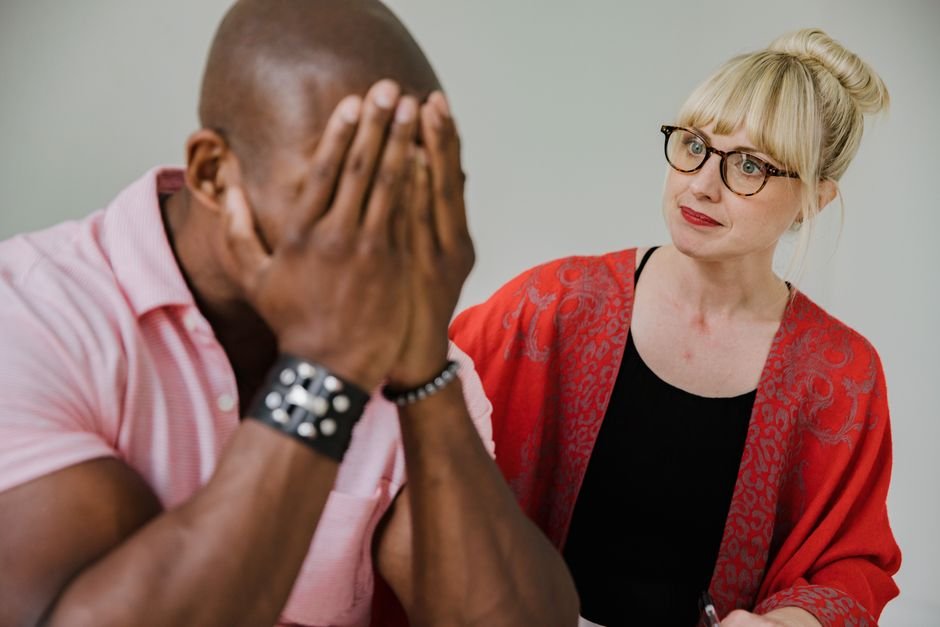
How Does Counseling Help When You Can’t Name the Problem?
Counseling helps by giving you a structured, safe space to slow down and pay attention to what’s actually going on inside you. A skilled counselor uses conversation, reflection, and evidence-based counseling techniques to help you uncover patterns you might not see on your own.
You might discover that the restlessness you feel is rooted in unprocessed grief. Or that your difficulty sleeping traces back to a stressful work environment you’ve been minimizing. Or that the irritability you’ve been brushing off is actually a sign of burnout.
The point is, you don’t need to diagnose yourself before walking through the door. That’s what the counselor is there for. At Open Arms Initiative, our team uses talk therapy, cognitive behavioral approaches, and other proven methods to help clients gain clarity and build healthier coping strategies.
Can Counseling Help with Anxiety and Depression You Haven’t Recognized?
Many people live with low-grade anxiety or depression for years without realizing it. They assume that constant worry is just their personality, or that feeling flat and unmotivated is just part of getting older.
Counseling for anxiety and counseling for depression are two of the most common and effective applications of therapy. But you don’t have to identify these conditions on your own. A counselor can help you recognize whether what you’re experiencing fits a pattern and, more importantly, what to do about it.
Open Arms Initiative offers mental health counseling tailored to each individual. Whether you’re dealing with something you can name or something you can’t, our counselors meet you where you are.
Benefits of Counseling You Might Not Expect
People often think of therapy as something you do when things are falling apart. But the benefits of counseling go far beyond damage control.
Clarity and Self-Awareness
One of the most valuable outcomes of counseling is a deeper understanding of yourself. You start to recognize your emotional triggers, your patterns in relationships, and the beliefs that quietly drive your behavior. This kind of self-awareness changes how you show up in every area of life.
Better Stress Management
Counseling for stress management equips you with practical strategies to handle pressure without burning out. You learn to set boundaries, manage your energy, and respond to challenges instead of just reacting.
Stronger Relationships
When you understand your own emotions more clearly, you communicate better. You listen more carefully. You stop projecting old frustrations onto new situations. Counseling doesn’t just improve how you feel inside. It improves how you connect with others.
A Sense of Direction
If you’ve been feeling lost or stuck, counseling can help you reconnect with your values and figure out what you actually want. Open Arms Initiative helps clients move from confusion to purpose through compassionate, personalized support.
Does Counseling Actually Work?
Yes. Research consistently shows that counseling is effective for a wide range of mental health concerns. Counseling outcomes improve when people engage honestly and consistently, and evidence-based approaches like cognitive behavioral therapy, solution-focused therapy, and trauma-informed care have strong track records.
But beyond the research, the real proof is in the experience. People who start counseling often report feeling lighter, more grounded, and more capable of handling life’s challenges. They say things like, “I didn’t realize how much I was carrying until I started putting it down.”
At Open Arms Initiative, counseling effectiveness is something we take seriously. Our team stays current with best practices and tailors every session to the person sitting in front of them.
When to Seek Counseling and What to Expect at Open Arms Initiative
If you’re asking yourself “do I need counseling,” that question alone is a strong signal. You don’t need to wait for things to get worse. Reaching out early is one of the best things you can do for your mental health.
When you contact Open Arms Initiative, you’ll be matched with a counselor who fits your needs. Your first session is about getting comfortable, sharing what brought you in, and starting to build a plan. There’s no pressure to have all the answers right away.
Our services include individual counseling, family counseling, and support for a range of concerns including anxiety, depression, grief, relationship challenges, and life transitions. Whether you’re in a tough season or just feeling a little lost, we’re here to help.
You don’t need to have everything figured out before you reach out. You don’t need a label, a breakdown, or a perfect explanation of what’s wrong. The fact that you’re wondering whether counseling could help is reason enough to explore it.
Counseling can help you name the unnamed, untangle the confusing, and find a clearer path forward. It’s not about being broken. It’s about being human and choosing to invest in yourself.
Open Arms Initiative exists to make that first step easier. Our team provides compassionate, professional mental health counseling designed to meet you exactly where you are. If something feels off, trust that feeling. Reach out to Open Arms Initiative today and let us help you figure out the rest.
Frequently Asked Questions
Can counseling help if I don’t know what’s wrong?
Yes, a counselor’s job is to help you identify and understand what you’re experiencing, so you don’t need to have the answers before you start.
How do I know if I need counseling?
If you’re feeling persistently stuck, overwhelmed, disconnected, or just sense that something is off, those are strong signs that counseling could benefit you.
What should I expect during my first counseling session?
Your first session is about getting comfortable, sharing what brought you in, and beginning to build a plan with your counselor at your own pace.

