
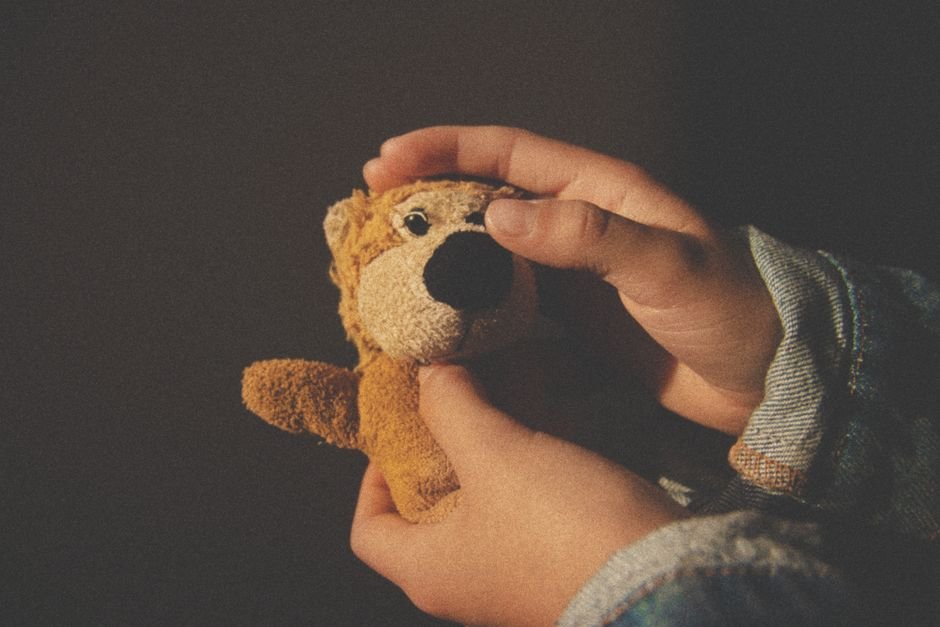
The things that happen to us in childhood don’t stay in childhood. They follow us into adulthood, shaping the way we connect, communicate, and love. Childhood trauma, whether it involved emotional neglect, abuse, toxic family dynamics, or other adverse childhood experiences, can quietly influence how we show up in our closest relationships.
Many adults struggle with trust, intimacy, or emotional regulation without realizing the root cause traces back to early life stress. Patterns that developed as survival mechanisms in childhood often become barriers to healthy connection later on.
At Open Arms Initiative, our trauma-informed care and relationship counseling services help individuals and couples understand these patterns and begin the process of genuine healing. Recognizing how developmental trauma affects your present-day relationships is the first and most important step toward building something different.
What Counts as Childhood Trauma?
Childhood trauma isn’t limited to extreme situations. It can include physical, emotional, or sexual abuse, but it also covers experiences that are often minimized or overlooked. Childhood emotional abuse, chronic neglect, witnessing domestic violence, growing up with a parent who struggled with addiction, or living through divorce and instability all qualify as adverse childhood experiences (ACEs).
Even subtler forms of harm, like having emotionally unavailable parents or growing up in an environment where your feelings were consistently dismissed, can result in complex trauma. The effects of emotional neglect are especially tricky because there’s no single event to point to. Instead, it’s the absence of something essential.
These experiences shape the developing brain. Children who grow up in unsafe or unpredictable environments develop coping strategies to survive. Those strategies, while necessary at the time, often become the very things that make adult relationships so difficult.
How Childhood Trauma Shows Up in Adult Relationships
Trauma symptoms in adults don’t always look like flashbacks or nightmares. More often, they show up as recurring relationship problems that feel impossible to break free from. Here are some of the most common ways early trauma affects adult connections.
Difficulty Trusting Others
When the people who were supposed to protect you caused harm or failed to show up, learning to trust anyone else becomes incredibly hard. Adults who experienced childhood neglect or abuse often expect betrayal, even in safe relationships. They may test their partners, pull away emotionally, or struggle to believe that love can be reliable.
Attachment Disorders and Insecure Bonding
Our earliest relationships with caregivers form the blueprint for how we attach to others. Developmental trauma frequently leads to attachment disorders, where a person may become anxiously attached (constantly seeking reassurance and fearing abandonment) or avoidantly attached (shutting down emotionally and resisting closeness). Some people alternate between both extremes, creating a push-pull dynamic that leaves their partners confused and exhausted.
Emotional Dysregulation
Growing up in a home with toxic family dynamics often means you never learned healthy ways to manage big emotions. As an adult, this can look like explosive anger, shutting down during conflict, chronic anxiety in relationships, or an inability to express needs clearly. These reactions aren’t character flaws. They’re the nervous system doing what it learned to do under stress.
Repeating Unhealthy Patterns
One of the most painful effects of intergenerational trauma is the tendency to recreate familiar dynamics. Adults who grew up with chaos or emotional abuse may unconsciously gravitate toward partners who treat them the same way. The familiarity feels like comfort, even when it’s harmful. Breaking this cycle requires awareness and, often, professional support through trauma therapy.

The Connection Between Childhood Trauma and Mental Health
Childhood trauma doesn’t just affect relationships. It impacts overall mental health in ways that ripple outward into every area of life. Research consistently shows that people with higher ACE scores are at greater risk for depression, anxiety, PTSD, substance use disorders, and chronic health conditions.
Childhood anxiety disorders and childhood dissociation are common responses to overwhelming early experiences. When a child can’t fight or flee, the brain learns to shut down or disconnect. These patterns often persist into adulthood, making it hard to stay present during emotionally charged moments with a partner or loved one.
Open Arms Initiative provides mental health counseling specifically designed to address these interconnected challenges. Our clinicians understand that relationship struggles, mood disorders, and trauma responses are rarely separate issues. They’re deeply linked, and effective treatment needs to reflect that.
What Does Healing from Childhood Trauma Look Like?
Healing from childhood abuse and neglect is not about erasing the past. It’s about understanding how the past shaped your present and making conscious choices about who you want to become.
Trauma recovery is a process, not a single breakthrough moment. It involves building new neural pathways, developing healthier coping skills, and gradually learning that safety and connection are possible. Here’s what that process often involves.
Trauma Therapy with a Trained Professional
Evidence-based approaches like EMDR, somatic experiencing, and trauma-focused cognitive behavioral therapy help the brain and body process experiences that have been stuck on repeat. At Open Arms Initiative, our therapists specialize in trauma therapy that meets each client where they are, without pushing faster than the nervous system can handle.
Inner Child Healing
Inner child healing work helps adults reconnect with the younger parts of themselves that still carry pain, fear, or grief. By acknowledging and tending to those wounds with compassion, people often experience significant shifts in how they relate to themselves and others. This kind of work is deeply personal, and our team at Open Arms Initiative creates a safe, judgment-free space for it.
Relationship Counseling for Couples Affected by Trauma
When one or both partners carry unresolved trauma, the relationship itself can become a battleground. Relationship counseling helps couples understand each other’s triggers, communicate without defensiveness, and build a secure bond that can hold space for both people’s healing. Open Arms Initiative offers couples counseling grounded in trauma-informed care, so both partners feel seen and supported.
Why Trauma-Informed Care Matters
Not all therapy is equipped to handle the complexity of childhood trauma. Standard talk therapy can sometimes retraumatize clients or miss the body-based symptoms that are central to the trauma experience.
Trauma-informed care means the entire treatment approach is built around safety, trust, collaboration, and empowerment. It recognizes that behaviors like avoidance, hypervigilance, and emotional shutdown are adaptations, not problems to be fixed.
At Open Arms Initiative, every service is delivered through a trauma-informed lens. Whether you’re seeking individual mental health counseling, trauma therapy for yourself, or support navigating a relationship affected by early life stress, our team is trained to work with the whole person, not just the symptoms on the surface.
Signs You Might Benefit from Professional Support
Sometimes it’s hard to know whether what you’re experiencing is “normal” or worth seeking help for. Here are some signs that childhood trauma may be affecting your adult relationships and that professional support could make a real difference.
- You consistently attract or stay in relationships that feel unsafe or unfulfilling
- You struggle with jealousy, possessiveness, or fear of abandonment that feels disproportionate
- Conflict with your partner triggers intense emotional reactions like rage, panic, or total shutdown
- You find it nearly impossible to be vulnerable or ask for what you need
- You feel disconnected from your emotions or go numb during stressful moments
- You recognize patterns from your childhood playing out in your current relationships
If any of these resonate, you’re not broken. You’re carrying something that was never yours to carry alone. Open Arms Initiative is here to help you set it down.
Childhood trauma leaves a deep imprint on the way we relate to others, but it doesn’t have to define every relationship for the rest of your life. Understanding the connection between early experiences and adult patterns is powerful. It opens the door to real change.
Healing is possible. It takes time, patience, and the right support, but people do it every day. They learn to trust again, to communicate openly, to choose partners who are genuinely safe, and to break the cycle of intergenerational trauma.
Open Arms Initiative provides trauma therapy, relationship counseling, and mental health counseling designed to help you move from surviving to truly living. Our trauma-informed care approach ensures that you’re supported at every stage of your recovery.
If you’re ready to explore how your past may be shaping your present, reach out to Open Arms Initiative today. You deserve relationships built on safety, honesty, and genuine connection.
Frequently Asked Questions
How does childhood trauma affect relationships in adulthood?
Childhood trauma can cause difficulty trusting others, fear of intimacy, emotional dysregulation, and a tendency to repeat unhealthy relationship patterns learned in early life.
Can you heal from childhood trauma as an adult?
Yes, with professional trauma therapy and consistent support, adults can process childhood wounds, develop healthier coping skills, and build secure, fulfilling relationships.
What type of therapy is best for childhood trauma?
Evidence-based approaches like EMDR, somatic experiencing, and trauma-focused CBT delivered through a trauma-informed care framework are considered most effective for treating childhood trauma.

