
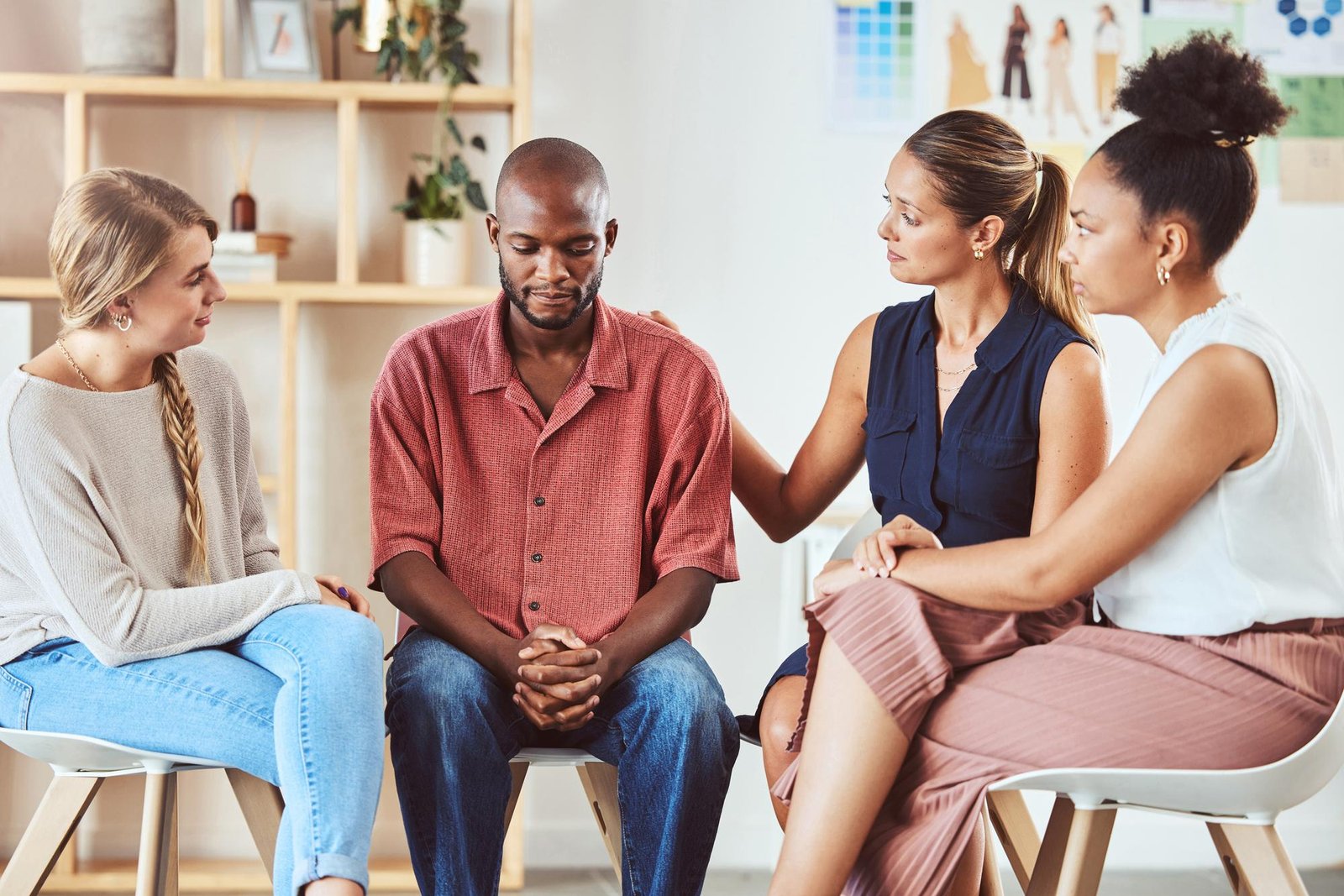
No one should have to face a mental health challenge alone. Yet millions of people do exactly that every day, struggling in silence because they lack access to the right people, resources, or even a single person who understands what they’re going through.
Community support for mental health has become one of the most powerful forces in recovery and wellness. When people feel connected to others who genuinely care, outcomes improve across the board. Isolation shrinks. Hope grows. And healing becomes something that happens together, not in a vacuum.
Organizations like Open Arms Initiative are proving that community-based mental health services can fill critical gaps that traditional clinical settings often miss. From peer support groups to outreach programs, the work happening at the neighborhood level is changing lives in ways that deserve more attention.
The Growing Need for Community Support in Mental Health
Rates of anxiety, depression, and other mental health conditions have climbed steadily over the past decade. The COVID-19 pandemic accelerated the crisis, leaving many people cut off from the social connections they relied on.
While therapy and medication remain essential tools, they don’t address every dimension of recovery. Many people need practical, everyday support. They need someone to check in on them. They need a safe space to talk openly without judgment.
This is where community mental health support steps in. Local resources, peer networks, and grassroots organizations can provide consistent, accessible care that meets people where they are. Not behind a clinical desk, but in living rooms, churches, community centers, and online spaces.
Why Traditional Systems Alone Aren’t Enough
Long wait lists, high costs, and limited availability make professional mental health care out of reach for many people. Rural areas often lack community mental health clinics and centers entirely. Even in urban settings, demand far outpaces supply.
Community-based programs bridge this gap. They don’t replace professional treatment, but they offer a layer of support that keeps people stable, engaged, and connected between appointments or while they wait for clinical care.
How Community Mental Health Support Improves Outcomes
Research consistently shows that social support and mental health outcomes are closely linked. People with strong support networks recover faster, experience fewer relapses, and report higher overall life satisfaction.
Here’s what effective community support looks like in practice:
- Peer support groups for mental health where people share experiences and coping strategies with others who truly understand
- Community counseling services that offer sliding-scale or free sessions
- Faith-based mental health support programs that integrate spiritual care with emotional wellness
- Community crisis intervention teams trained to respond with compassion during emergencies
- Wellness programs focused on prevention, education, and early intervention
These aren’t abstract ideas. They are real services that real organizations deliver every day. Open Arms Initiative operates with this exact philosophy, creating programs that strengthen community resilience and mental wellbeing through direct engagement and sustained care.
The Importance of Community in Mental Health Recovery
Recovery is rarely a straight line. People need ongoing encouragement, accountability, and connection to keep moving forward. A therapist provides guidance for an hour a week. A community provides support around the clock.
When someone knows their neighbor, faith leader, or peer counselor is available during a hard moment, it changes the equation entirely. That sense of belonging reduces the shame and stigma that so often prevent people from seeking help in the first place.
Belonging Reduces Stigma
Stigma remains one of the biggest barriers to mental health care. People avoid getting help because they fear being judged or labeled.
Community mental health awareness programs work to dismantle these attitudes at the local level. When mental health is discussed openly in schools, workplaces, and neighborhoods, it normalizes the conversation. People become more willing to ask for help and more equipped to offer it.
Peer Support Creates Lasting Change
Mental health peer counseling programs pair individuals with trained peers who have lived experience with similar challenges. This model works because people trust those who have walked a similar path.
Support groups for anxiety and depression, for example, give participants a space to process their feelings without fear. These groups often become lifelines, offering the kind of consistent emotional connection that formal treatment alone can’t always sustain.
How to Find Mental Health Support in Your Community
If you or someone you know is looking for local mental health resources, the good news is that options are growing. Here are practical steps to get started:
- Search for mental health support groups near you through local hospitals, nonprofits, or community centers
- Contact organizations like Open Arms Initiative that specialize in community outreach for mental health
- Ask your primary care provider for referrals to community recovery support services
- Check with local faith organizations that may offer faith-based mental health support
- Look into community wellness programs that focus on mental health education and prevention
Starting a community mental health group is also an option if resources are limited in your area. Even a small, informal gathering of people committed to supporting one another can make a meaningful difference.
What Open Arms Initiative Brings to the Table
Open Arms Initiative was built on the belief that healing happens in connection. Their programs are designed to reach people who fall through the cracks of traditional systems, offering community-based mental health services that are accessible, compassionate, and effective.
Key services and benefits include:
- Peer support groups facilitated by trained community members with lived experience
- Community outreach programs that bring mental health education directly to neighborhoods
- Crisis support and referral services for individuals in acute need
- Wellness workshops focused on building coping skills, emotional resilience, and self-awareness
- Collaborative partnerships with local mental health clinics and centers to ensure continuity of care
What sets Open Arms Initiative apart is their commitment to meeting people where they are, both physically and emotionally. They understand that a person in crisis doesn’t need a brochure. They need someone who shows up.
Building Mental Health Support Networks That Last
Strong mental health support networks don’t appear overnight. They require intention, investment, and a willingness to show up consistently.
Communities that prioritize mental wellbeing tend to share a few traits. They talk about mental health openly. They fund local programs. They train residents to recognize warning signs and respond with empathy rather than fear.
Community resilience and mental wellbeing grow together. When one person in a network gets stronger, the entire network benefits. This ripple effect is what makes community support for mental health so uniquely powerful.
Mental health is not a solo journey. The people, programs, and networks around us play a direct role in how well we cope, recover, and thrive. Community support for mental health fills gaps that no single therapist, medication, or app can cover on its own.
Organizations like Open Arms Initiative are doing essential work by building the local infrastructure that keeps people connected and cared for. Whether through peer support, outreach, crisis intervention, or wellness programming, their approach proves that community-level action creates real, lasting change.
If you’re looking for support or want to get involved, reach out to Open Arms Initiative. Whether you need help yourself or want to help others, there’s a place for you. The strongest communities are the ones that take care of each other.
Frequently Asked Questions
How does community support help with mental health?
Community support reduces isolation, provides consistent encouragement, and connects people to local resources that improve recovery and overall mental wellbeing.
How do I find mental health support groups in my community?
You can find local support groups by contacting community organizations like Open Arms Initiative, checking with hospitals or nonprofits, or searching online directories for peer groups near you.
What services does Open Arms Initiative offer for mental health?
Open Arms Initiative offers peer support groups, community outreach, crisis referral services, wellness workshops, and partnerships with local mental health clinics.

